


Scream for Me, World: The Excessive-Flying, Galloping Historical past of Iron Maiden

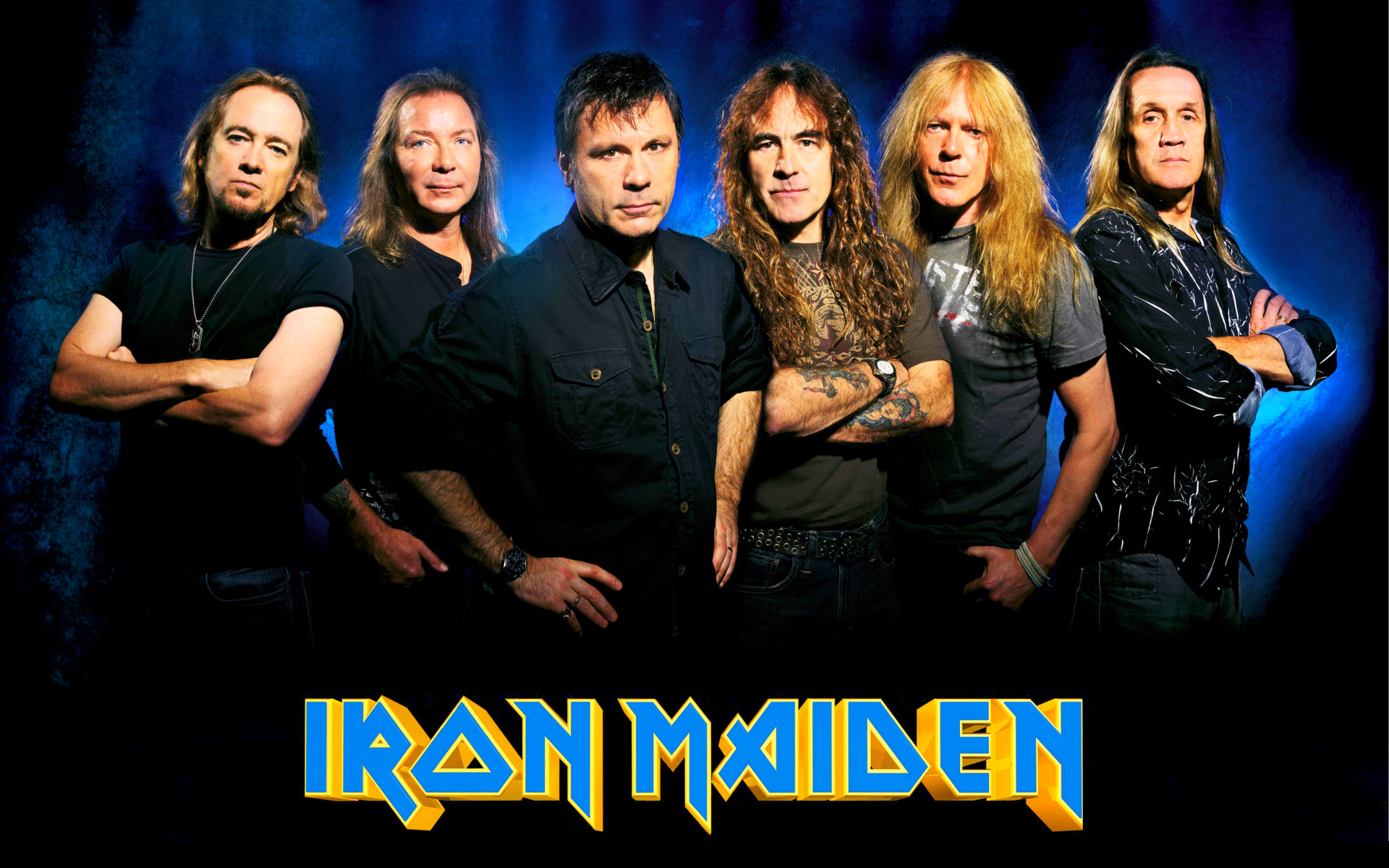

Few bands can declare to have outlined a complete style, outrun the altering winds of popular culture for over 5 many years, and routinely fly their very own custom-made Boeing 747 across the globe.
Iron Maiden is not only a heavy steel band—they’re a worldwide establishment.
From their gritty beginnings within the pubs of East London to promoting out soccer stadiums internationally, right here is the wild, high-octane historical past of the pioneers of the New Wave of British Heavy Steel (NWOBHM).

The Beginning of the Beast (1975–1981)
The story begins on Christmas Day, 1975. Bassist and first songwriter Steve Harris, contemporary out of a band known as Smiler, determined to construct his personal musical machine. He named it Iron Maiden, impressed by the basic film adaptation of The Man within the Iron Masks.
The early years had been a revolving door of musicians, however by 1978, a concrete lineup emerged that includes the uncooked, punk-infused vocals of Paul Di’Anno and the fluid guitar work of Dave Murray.
Maiden’s self-titled debut in 1980 and the follow-up Killers (1981) had been aggressive, quick, and remarkably melodic. They refused to mime on the well-known British TV present High of the Pops—turning into the primary band to play dwell on the present since The Who in 1973. Nevertheless, Di’Anno’s self-destructive life-style ultimately compelled a change. The band wanted somebody who might match the increasing sonic scale of Harris’s compositions.

Enter the Air Raid Siren & The Golden Period (1982–1988)
In late 1981, they recruited Bruce Dickinson, a singer nicknamed “The Air Raid Siren” for his operatic, glass-shattering vocal vary.
What adopted is broadly thought of one of many biggest multi-album scorching streaks in rock historical past:
- The Variety of the Beast (1982): Their first UK number-one album. It gave the world “Run to the Hills” and the legendary title monitor, cementing them as world superstars regardless of triggering an absurd media backlash from spiritual teams who mistook their horror-movie imagery for precise Satanism.
- Piece of Thoughts (1983): Introducing powerhouse drummer Nicko McBrain, this document introduced us the galloping masterpiece “The Trooper.”
- Powerslave (1984): An historic Egyptian-themed epic that includes “Aces Excessive” and the 13-minute “Rime of the Historical Mariner.”
The following World Slavery Tour (1984–1985) was an absolute monster. The band performed 189 huge reveals in 331 days, breaking by means of the Iron Curtain to play Poland and headlining the inaugural Rock in Rio competition in entrance of an estimated 300,000 screaming followers.
Towards the top of the ’80s, Maiden proved they weren’t afraid to evolve. They built-in synthesizers and progressive rock buildings into Someplace in Time (1986) and their stellar idea album Seventh Son of a Seventh Son (1988).

Meet Eddie the Head
You possibly can’t discuss Iron Maiden with out speaking about their legendary mascot, Eddie.
Initially beginning as a crude papier-mâché masks that spat pretend blood over Nicko McBrain’s drum package, artist Derek Riggs reworked Eddie right into a terrifying, sci-fi/horror entity. Eddie has appeared on each single album cowl—evolving from a road punk right into a pharaoh, a psychological affected person, a cyborg, and a samurai. He’s arguably essentially the most recognizable mascot in music historical past.

Turbulence, Transits, and the Reunion (1990–Current)
The Nineteen Nineties had been a troublesome decade for traditional heavy steel. Guitarist Adrian Smith left in 1990 (changed by Janick Gers), and after 1992’s hit Worry of the Darkish, Bruce Dickinson departed to pursue a solo profession and his ardour for industrial aviation.
The band introduced in Blaze Bayley for 2 darkish, underrated albums (The X Issue and Digital XI), however the magic was lacking.

The Final Lineup Assemble
In 1999, the steel world rejoiced. Not solely did Bruce Dickinson return, however Adrian Smith got here again too. As a substitute of firing Janick Gers, Steve Harris made a daring transfer: Iron Maiden grew to become a formidable, three-guitar, six-piece juggernaut.
Their comeback album, Courageous New World (2000), kicked off a surprising second golden age.
| Iron Maiden By The Numbers | |
|---|---|
| Years Lively | 1975–Current |
| Studio Albums | 17 |
| International Album Gross sales | 130+ Million |
| Present Lineup | Steve Harris, Bruce Dickinson, Dave Murray, Adrian Smith, Janick Gers, Nicko McBrain |
Within the many years since, they’ve remained creatively important, releasing huge, advanced progressive steel albums like The Guide of Souls (2015) and Senjutsu (2021) that often prime charts throughout 25+ nations. They journey between continents on Ed Pressure One—a large Boeing airplane piloted by none aside from Captain Bruce Dickinson himself.
Approaching a half-century of music, Iron Maiden continues to fill stadiums worldwide. Their legacy is constructed on a easy basis: unparalleled musicianship, absolute loyalty to their followers, and a relentless, galloping rhythm that refuses to decelerate.
To learn my different Basement Band Opinions blogs, click on HERE! To order a few of Iron Maiden’s music, click on on the album covers under.


